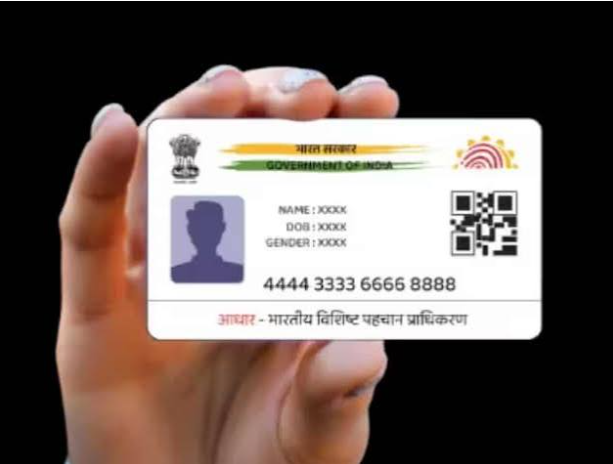
The Aadhar card has become a crucial component of identity verification in India. As it represents the unique identity of every resident, ensuring that your Aadhar card information is accurate is essential. Occasionally, you may find that corrections are necessary due to various reasons such as typos, changes in personal information, or updates in data. However, the correction process can sometimes be daunting, especially if you are unfamiliar with the procedure. In this comprehensive guide, we will explore the Aadhar card correction process, focusing on common mistakes to avoid when requesting corrections through the online portal.
Understanding Aadhar Card Correction
Before diving into this article, it’s important to understand what Aadhar card correction entails. Aadhar card correction usually relate to personal information such as name, address, date of birth, and even gender. The Unique Identification Authority of India (UIDAI) governs this process, allowing users to effect changes through their online portal. The simplicity of this process makes it accessible, but it also creates opportunities for errors that can hinder your application.
Importance of Accurate Information
Accurate data on your Aadhar card plays a vital role in various aspects of societal functions, including banking, government benefits, and other public services. Here, Aadhaar Authentication plays a significant role in verifying your identity with these services. Keeping your details correct can also support a smoother Aadhaar Authentication process when your identity information is checked for accessing different services. Any discrepancy in your information could lead to logistical complications, delay in service access, or denial of essential benefits. Given that, it’s crucial to approach the Aadhar card correction process with care and attention.
Common Mistakes to Avoid During Aadhar Card Correction
- Neglecting to Gather Required Documents
One primary mistake many users make is forgetting to collect all the necessary documents before initiating the correction process. Each type of correction may require specific documents. For example, changing your name may require a marriage certificate or gazette notification, while updating your address may necessitate utility bills or rent agreements. Always make sure you read the guidelines on the UIDAI website regarding the necessary documentation before proceeding.
- Using Incorrect/Unclear Information
When requesting a correction, ensure that all information provided is accurate and clearly written. Many users may unknowingly use different spellings or formats for names, addresses, or other fields. For instance, using “Mohammed” in one place and “Muhammad” in another can create confusion. Always double-check the entries against official documents to ensure consistency and avoid any unnecessary delays.
- Failing to Verify Your Mobile Number
Your registered mobile number is a crucial part of the Aadhar correction process, mainly for receiving OTPs (One Time Passwords) for authentication. Many users may forget to verify their number before initiating the correction process. If you don’t have access to the registered mobile number or it has changed, you might face challenges in receiving verification codes and completing your request. Always ensure that your mobile number is updated and that you have access to it when making corrections.
- Not Reading the Guidelines
The UIDAI portal provides a comprehensive set of instructions for users requesting corrections. One significant mistake people make is not reading these guidelines thoroughly. The guidelines often detail the various steps involved, the format of information input, and other essential tips. Whether it is about the maximum character limits for name fields or prerequisites for document submission, make sure to devote enough time to understand the guidelines before proceeding.
- Ignoring the Application Status
After submitting your application for Aadhar card correction, it is essential to track its status. Neglecting to check for updates can lead to missed opportunities for further action if your application gets rejected. If an issue arises, you will need to rectify it promptly, and staying informed will help facilitate this process. You can check your application status by visiting the UIDAI website and entering your acknowledgment number.
- Providing Incomplete Information
One common pitfall is providing incomplete information while submitting the correction form. Always ensure that you are filling out all mandatory fields, as failure to do this can result in automatic rejection of the application. Double-check the form before submission to ensure all required details are filled in completely and accurately.
- Not Being Patient
It’s easy to feel frustrated when waiting for corrections to be processed, especially in a world that thrives on instant results. However, the Aadhar card correction process can take time. Many users grow impatient and submit multiple applications, leading to confusion and even cancellations. It’s vital to give the system adequate time to process your request and only follow up if the waiting period has far exceeded the communicated timeline.
- Overlooking Security Features
As you embark on the Aadhar card correction journey, do not overlook the vital aspect of security. Users are often negligent about signing out from their accounts after accessing personal data. Always ensure that you make use of secure and private browsing environments, especially when entering sensitive information. This is also important when using services involving Aadhaar Authentication, as personal information should be handled carefully during identity verification.
- Not Keeping a Record
After your Aadhar card correction application has been submitted, retain all acknowledgment receipts and documents used in the process. Many users do not maintain a record, which can lead to complications if there are follow-up requests or clarifications needed. Keeping a physical or digital record helps provide proof of submission and serves as a reference point for any future inquiries.
- Failing to Utilize Customer Support
If you find yourself running into complications during the Aadhar card correction process, don’t hesitate to reach out for help. UIDAI offers customer support through multiple channels, including call centers and email. Many users hold back from utilizing these resources, resulting in lost time and frustration. Engaging with customer support can help facilitate smooth corrections and clarify any doubts.
Conclusion
In summary, ensuring accurate information on your Aadhar card is indispensable in today’s digital India. While the correction process via the online portal is designed to be user-friendly, there are several mistakes that applicants frequently make. By avoiding the common pitfalls outlined in this article, such as neglecting documentation, failing to verify your mobile number, providing incomplete information, and not utilizing customer support, you can streamline your application for Aadhar card correction effectively.
Taking a proactive approach to monitor the status of your application and keeping a record of important documents can make a significant difference. Remember, being careful and well-informed can save you a great deal of time and hassle. Your Aadhar card should accurately reflect your identity so you can access essential services smoothly, thereby enhancing your overall experience within the framework of Aadhaar Authentication and services. Make use of the available online resources, and don’t hesitate to ask for help when needed to ensure that your Aadhar card remains a true representation of your identity.