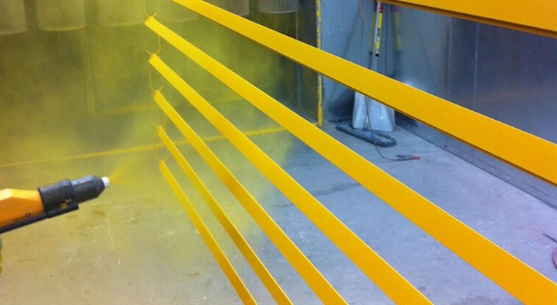
Aluminium has become one of the most widely used materials in modern construction and architectural applications due to its durability, corrosion resistance, and lightweight nature. Among its many industrial uses, aluminium powder plays a crucial role in surface finishing and protective coating systems, especially in metal fabrication industries. The growing demand for aluminium powder manufacturers in India reflects the increasing reliance on high-performance materials in infrastructure and architectural development.
In today’s construction environment, aesthetics and durability go hand in hand. Railings, in particular, require strong protective coatings that enhance both visual appeal and long-term resistance against environmental damage. Aluminium powder, when used in coating systems, provides enhanced protection, a smooth finish, and extended product life, making it a key component in modern railing applications.
Industrial Importance of Aluminium Powder in Surface Engineering
The use of aluminium powder has expanded across multiple industries, but its role in surface engineering and protective coatings is particularly significant. The growing demand for aluminium powder manufacturers highlights its importance in supporting the infrastructure, automotive, and architectural sectors.
1. Role of Aluminium Powder in Coating Technology
Aluminium powder is widely used in coating applications due to its reflective properties and corrosion resistance. It enhances the durability of coated surfaces and provides a metallic finish that improves aesthetic appeal. In railing systems, it helps create a protective layer that resists moisture, oxidation, and environmental wear.
This makes aluminium powder a preferred material in industries that require both functional strength and visual enhancement.
2. Manufacturing Process and Material Refinement
The production of aluminium powder involves advanced milling and atomization processes that ensure uniform particle size and purity. High-quality manufacturers focus on maintaining consistency, which directly impacts coating performance.
Precision in manufacturing ensures that the powder blends efficiently with coating materials, providing smooth application and long-lasting surface protection.
3. Industrial Demand and Infrastructure Growth
With rapid urbanisation and infrastructure development, the demand for aluminium-based materials has increased significantly. Industries are actively sourcing from aluminium powder manufacturers in India to meet growing construction and fabrication needs.
Railings, structural components, and decorative architectural elements all rely on high-quality aluminium coatings for enhanced durability and aesthetics.
4. Environmental Resistance and Durability Enhancement
One of the key benefits of aluminium powder coatings is their resistance to corrosion and harsh weather conditions. This makes them ideal for outdoor applications such as railings, gates, and structural frameworks.
The protective layer formed by aluminium-based coatings helps extend product life while reducing maintenance costs over time.
Expanding Role of Aluminium Powder Manufacturers in Modern Industry
The industrial ecosystem has seen significant growth in demand for advanced coating materials. As a result, aluminium powder manufacturers play a crucial role in supplying high-quality raw materials to multiple sectors.
1. Supporting Construction and Fabrication Industries
Manufacturers supply aluminium powder to construction companies, fabrication units, and coating industries. These materials are essential for producing durable and aesthetically appealing metal structures.
Railings, gates, fences, and architectural frames all depend on consistent aluminium powder quality for long-term performance.
2. Ensuring Quality Standards and Consistency
Leading manufacturers follow strict quality control processes to ensure purity, particle uniformity, and performance consistency. This ensures that the final coating application performs efficiently under different environmental conditions.
Quality assurance is a critical factor in maintaining trust among industrial buyers.
3. Meeting Large-Scale Industrial Demand
With increasing infrastructure projects across urban and rural areas, demand for aluminium powder has grown exponentially. Manufacturers are scaling production to meet bulk requirements for industrial applications.
This growth has strengthened the supply chain and improved material availability across regions.
4. Innovation in Powder Processing Techniques
Modern manufacturers are adopting advanced technologies to improve powder quality and efficiency. Innovations in atomization and milling processes have enhanced particle control and coating performance.
These advancements ensure better adhesion, smoother finishes, and improved durability in end applications.
Aluminium Powder Applications in Modern Railing Systems
Aluminium powder plays a crucial role in enhancing the performance and appearance of railing systems. Its application in coating technology ensures long-lasting protection and aesthetic refinement.
1. Enhanced Surface Protection for Railings
Aluminium powder coatings provide a strong protective barrier that prevents rust, corrosion, and environmental damage. This is especially important for outdoor railings exposed to moisture and pollution.
The coating significantly improves durability and reduces maintenance requirements.
2. Improved Aesthetic Finishing
Railings coated with aluminium powder achieve a smooth, metallic, and visually appealing finish. This enhances architectural design and adds modern elegance to residential and commercial spaces.
The reflective quality of aluminium also improves lighting effects in structural designs.
3. Increased Structural Longevity
By protecting metal surfaces from oxidation and wear, aluminium powder coatings extend the lifespan of railing systems. This makes them a cost-effective solution for long-term infrastructure projects.
Durability is a key factor in large-scale construction planning.
4. Compatibility with Modern Design Requirements
Architects and designers prefer aluminium-coated railings due to their flexibility in design integration. The material supports various textures, finishes, and styles.
This adaptability makes it suitable for both minimalist and decorative architectural themes.
Aluminium Powder as a Core Material in Industrial Surface Coating
The role of aluminium powder extends beyond aesthetics and protection. It is a core component in modern surface engineering and industrial coating systems.
Its ability to enhance durability, improve appearance, and provide corrosion resistance makes it essential in multiple sectors, including construction, automotive, and manufacturing.
As industries continue to evolve, aluminium powder remains a key material driving innovation in surface treatment technologies.
Integration of Aluminium Powder in Modern Manufacturing Ecosystems
The manufacturing ecosystem today relies heavily on advanced materials that ensure quality, efficiency, and sustainability. Aluminium powder is a central part of this ecosystem.
Its integration into coating systems allows industries to achieve higher performance standards while maintaining cost efficiency and durability.
Conclusion
The growing importance of aluminium powder in industrial applications highlights its role as a foundational material in modern surface engineering. From manufacturing processes to architectural applications, it continues to deliver durability, efficiency, and aesthetic enhancement across industries. High-quality railing systems, especially powder-coated railings, depend significantly on advanced aluminium coating technologies to ensure long-lasting performance and visual appeal.JM Aluminium is committed to delivering high-quality aluminium solutions that support modern industrial and architectural needs. Through precision manufacturing and a focus on quality, they contribute to strengthening infrastructure development and advancing material innovation in the aluminium industry.