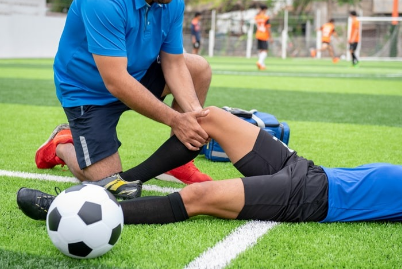
Sports and physical activity are often a regular part of your routine, whether you are training, exercising, or playing a sport you enjoy. Your body gradually adapts to this routine, helping you stay active and consistent. Still, even a small misstep or sudden movement can lead to injury. This may cause pain, swelling, or restricted movement that affects your daily routine.
Proper diagnosis is important at this stage for safe recovery and to avoid further complications. In such situations, finding the best sports injury treatment hospitals becomes important for proper care and recovery. These hospitals offer specialised care, advanced diagnostics, and guided rehabilitation. They help you regain strength and mobility in a safe and structured way.
What are Sports Injuries?
Sports injuries refer to conditions that affect muscles, bones, ligaments, or joints during physical activity. They can occur in athletes as well as individuals who exercise regularly or participate in recreational sports. These injuries often result from improper technique, overuse, inadequate warm-up, or accidental impact. Early attention is important to prevent the condition from worsening and to support faster recovery.
Common Types of Sports Injuries
Sports injuries can vary in severity and the part of the body affected, depending on the type of activity and the force involved. Some injuries may heal with simple care, while others may need medical attention and a longer recovery time. Knowing the common types can help you understand your symptoms better and act early.
- Sprains and strains
- Ligament injuries such as ACL tears
- Fractures and bone injuries
- Joint dislocations
- Muscle tears
- Overuse injuries like tendonitis
Each injury affects the body differently and may limit movement or strength. Treatment depends on how serious the injury is and which part of the body is affected. It may include rest, medicines, physiotherapy, or further medical care when needed.
Symptoms That Indicate a Sports Injury Needs Attention
Recognising early signs of a sports injury can help you avoid further damage and support faster recovery. Sometimes, the discomfort may seem manageable at first, but certain symptoms can indicate a more serious issue that needs medical attention.
- Pain during movement or even at rest that does not improve with time.
- Swelling around the injured area may increase gradually.
- Bruising or visible discolouration near the affected site.
- Reduced range of motion that makes normal movement difficult.
- Joint instability or a feeling that the joint is not stable.
If these symptoms persist for more than a short period or worsen, it is important to seek medical evaluation. Early assessment can help prevent complications and support proper healing.
Diagnosis of Sports Injuries
Accurate diagnosis is important for understanding the exact cause of pain and planning the right treatment. Doctors usually begin by asking how the injury occurred and examining the affected area for pain, swelling, and range-of-motion limitations.
- X-rays to identify fractures or bone-related damage.
- MRI scans to check muscles, ligaments, and other soft tissues.
- CT scans provide a more detailed view of bones and joints.
- Functional movement assessments to see how the injury affects daily movement.
These evaluations help doctors understand how serious the injury is and which treatment approach will support proper healing.
Treatment Options for Sports Injuries
Treatment depends on the type and severity of the injury. In many cases, a combination of approaches is used for effective recovery.
- Rest, ice, compression, and elevation (RICE method)
- Pain-relief and anti-inflammatory medications
- Bracing or immobilisation for support
- Physiotherapy for strength and mobility
- Surgical intervention in severe injuries
Patients seeking care at the best sports injury treatment hospitals often benefit from structured treatment plans that combine medical care with rehabilitation support.
Role of Rehabilitation in Recovery
Rehabilitation plays an important role in restoring strength, flexibility, and function after a sports injury. Physiotherapy exercises are often introduced gradually to avoid strain on the healing area.
- Strength training exercises
- Flexibility and mobility improvement
- Balance and coordination training
- Gradual return to sports or physical activity
Proper rehabilitation can also help reduce the risk of future injuries.
How to Choose the Right Hospital for Sports Injury Care
Selecting the right hospital is an important step in ensuring effective treatment and recovery. Some key factors to consider include:
- Availability of experienced orthopaedic specialists who understand sports-related injuries.
- Access to advanced imaging and diagnostic tools for accurate assessment.
- Dedicated physiotherapy and rehabilitation services for recovery support.
- Emergency and trauma care support for sudden or severe injuries.
- A coordinated approach where different specialists work together on your treatment.
Facilities offering comprehensive care are often better equipped to manage complex sports injuries.
Conclusion
Sports injuries can range from mild strains to more complex conditions that affect bones, muscles, or joints. In many cases, early attention, accurate diagnosis, and the right treatment approach can make a significant difference in recovery and long-term mobility. Along with medical care, rehabilitation and guided physiotherapy play an important role in restoring strength and preventing re-injury.
Understanding symptoms, seeking timely evaluation, and choosing appropriate care facilities can help you manage recovery more effectively. Access to the best sports injury treatment hospitals ensures that patients receive specialised care and proper diagnosis for better healing outcomes.