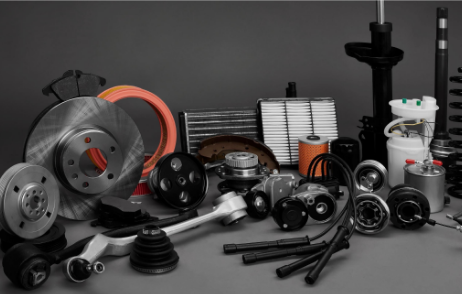
The automotive aftermarket industry relies heavily on structured supply systems, and Mercedes vehicle owners often depend on trusted channels for consistent part availability. Businesses and workshops frequently search for leading wholesalers of Mercedes spare parts to ensure they receive genuine, compatible, and performance-driven components that maintain vehicle quality and reliability across all service requirements.
Mercedes vehicles require precision-engineered parts, and distribution networks play a crucial role in ensuring availability, quality control, and timely delivery across different markets.
Structure of Mercedes Spare Parts Distribution Systems
Mercedes spare parts distribution systems are built on a multilayered network connecting manufacturers, exporters, wholesalers, and end users. This structure ensures that components move efficiently across regions while maintaining quality standards and availability for various models.
Within this system, leading wholesalers of Mercedes spare parts act as a critical bridge between manufacturers and automotive businesses, ensuring that supply remains stable and accessible for workshops and retailers. These wholesalers manage inventory, coordinate logistics, and maintain product authenticity to support consistent market demand.
The distribution process is designed to minimize delays and ensure that even high-demand components are available when needed. This structured approach helps maintain balance in global supply chains while supporting both large-scale and small-scale automotive service providers effectively.
Importance of Supply Consistency in Automotive Markets
Consistency in spare parts supply is essential for maintaining vehicle performance and customer satisfaction in the automotive industry. Any disruption in availability can lead to delays in repairs and increased downtime for workshops and service centers.
The demand for Mercedes spare parts in Dubai reflects the growing need for reliable and steady access to premium automotive components in regions with high luxury vehicle usage. Market stability depends heavily on suppliers who can maintain continuous inventory flow without compromising quality or delivery timelines.
Reliable distribution systems help businesses plan their operations better, ensuring that essential components are always available for servicing requirements. This consistency supports workshops in delivering timely services and maintaining customer trust in competitive automotive environments.
Role of Global Wholesalers in Supply Efficiency
Global wholesalers are responsible for managing large-scale inventories and ensuring that spare parts reach different regions efficiently. Their role includes sourcing, quality verification, packaging, and distribution across international markets.
These wholesalers ensure that supply chains remain uninterrupted even during fluctuations in demand or logistical challenges. Their ability to manage bulk orders and maintain stock availability makes them essential contributors to the automotive aftermarket ecosystem.
Strategic Sourcing of Automotive Components
Global wholesalers carefully select suppliers from different manufacturing regions to ensure a stable and diverse supply of Mercedes spare parts. This sourcing strategy helps balance cost, quality, and availability while reducing dependency on a single production channel.
Bulk Inventory Management for Continuous Supply
Maintaining large-scale inventory is a core responsibility of wholesalers, allowing them to fulfill urgent and high-volume orders without delays. Efficient stock control systems ensure that commonly required parts are always available for distribution.
Quality Verification and Standard Compliance
Before any component enters the supply chain, wholesalers conduct strict quality checks to ensure compatibility and performance standards are met. This reduces the risk of faulty or incompatible parts reaching workshops and end users.
Efficient Distribution and Logistics Coordination
Wholesalers coordinate with logistics partners to ensure timely delivery across domestic and international markets. Proper packaging, tracking systems, and transport planning help maintain product integrity during transit while ensuring faster delivery cycles.
Inventory Management and Quality Assurance
Effective inventory management is one of the most important aspects of spare parts distribution. It ensures that popular and high-demand components are always available for immediate dispatch while maintaining proper stock rotation.
Quality assurance is equally important because Mercedes vehicles require precision-engineered components that meet strict performance standards. Every part is carefully inspected before distribution to ensure compatibility and durability across different vehicle models.
Logistics and Delivery Coordination in Spare Parts Supply
Logistics plays a significant role in ensuring that spare parts reach their destination on time and in optimal condition. Efficient transportation systems, packaging standards, and tracking mechanisms contribute to smooth delivery processes across regions.
In the middle of this supply chain, mercedes spare parts in Dubai often serve as a key hub for distribution due to the region’s strong automotive market and import-export infrastructure. This allows faster movement of goods and better accessibility for regional buyers and service providers.
Key Elements of Distribution Efficiency
- Proper coordination between suppliers and logistics partners
- Real-time tracking of shipments for transparency
- Secure packaging to prevent damage during transit
- Timely customs clearance for international deliveries
- Efficient warehouse management systems for stock control
These elements ensure that spare parts reach workshops and businesses without delays, maintaining operational efficiency and customer satisfaction across the automotive service network.
Challenges in Spare Parts Distribution Networks
Despite advanced systems, spare parts distribution networks face challenges such as fluctuating demand, supply chain disruptions, and logistical delays. Managing inventory for multiple vehicle models adds complexity to the process, requiring accurate forecasting and efficient planning.
Another challenge is maintaining consistent quality across global suppliers, especially when sourcing components from different manufacturing regions. Ensuring authenticity and compatibility remains a top priority for wholesalers and distributors operating in the Mercedes spare parts market.
Conclusion
Reliable Mercedes spare parts distribution networks play a vital role in maintaining vehicle performance, workshop efficiency, and customer satisfaction across global automotive markets. From manufacturing and inventory management to logistics and final delivery, every stage of the supply chain contributes to ensuring quality, availability, and operational consistency for automotive professionals and service providers.
The demand for Mercedes spare parts in Dubai continues to rise as the region strengthens its position as a major center for luxury vehicle servicing and automotive trade. In this competitive market, trusted suppliers like Beta Auto Spare Parts continue to support businesses with dependable sourcing, stable inventory, and quality-focused automotive solutions that help workshops and distributors maintain long-term reliability and performance standards.