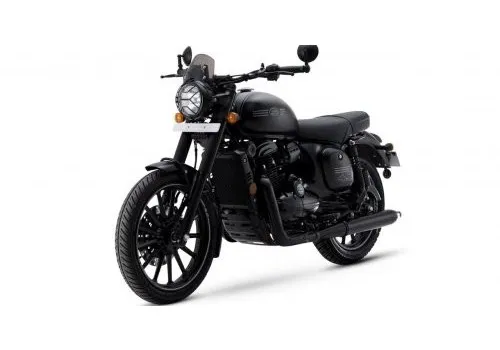
The motorcycle market in India has always been diverse and thrilling, offering something for everyone. Among the sea of two-wheelers, the name “Jawa” rings in a distinct nostalgic charm. This legendary brand, which has symbolized adventure, pride, and freedom for decades, has had its set of hurdles. After its grand comeback in 2018 under Classic Legends, the brand had to face criticism regarding quality, reliability, and service inconsistencies. But fast forward to 2026, a big question looms large on everyone’s minds: Are Jawa bikes finally fixed, and has the brand addressed its shortcomings?
The answer lies in a complex amalgam of improvements, customer feedback, and commitment. Let’s take a closer look at this iconic brand to uncover the truth and assess whether Jawa bikes have truly turned the corner.
The Rebirth and Challenges of Jawa Bikes
When Jawa re-entered the market in 2018, it was greeted with overwhelming excitement. Older generations reminisced about their love for these timeless machines, while younger riders were drawn by Jawa’s old-school charm combined with modern elements. However, the initial euphoria soon met with some valid setbacks, as customers began reporting issues like inconsistent build quality, delays in service, and teething mechanical troubles.
Moreover, the demand for Jawa bikes far outpaced the brand’s production capacity, leading to long delays in delivery, which frustrated eager buyers. Quality control was also called into question by many enthusiasts and critics alike, with issues ranging from poor paint quality to performance lags. This left many wondering whether Jawa’s golden era of reliability and pristine quality was a thing of the past. It became clear that if the brand wanted to survive and thrive in a competitive market, they needed to make sweeping changes.
Fixing the Brand: The Transformation Across Time
Fast forward to 2026, those sticking with Jawa bikes have become witnesses to a noticeable evolution. Jawa isn’t just another motorcycle brand—it’s an emblem of heritage. To live up to this reputation, the company undertook an extensive overhaul in how it conducts its business, engages with customers, and improves its motorcycles.
1. Enhancing Build Quality
One of the most significant changes we’ve seen in the last few years is an emphasis on build quality. Unlike earlier models that were plagued with complaints of rust, paint chipping, and low durability materials, the newer Jawa bikes reflect sturdy craftsmanship. By investing in better manufacturing techniques and quality control measures, the company has managed to deliver motorcycles that not only feel premium but also last longer, even under rigorous usage.
The legendary retro aesthetic that’s synonymous with Jawa has been preserved, but with a more refined execution. Whether it’s the well-aligned panels, the improved fit and finish, or the overall ride comfort, owners now feel confident that their motorcycles meet high standards.
2. Customer Feedback and Adaptation
Another cornerstone of Jawa’s turnaround has been its willingness to listen and adapt to customer feedback. The early days were marked by a sense of dissatisfaction from users, but Jawa eventually embraced a customer-first approach. Over the years, the brand stepped up its game in aftersales service, ensuring that complaints were addressed promptly and that warranty claims were handled smoothly.
To support this, the network of service centers has grown significantly. With trained technicians and better availability of spare parts in 2026, customers are less anxious about maintenance or prolonged downtime. The once-criticized service network has become a reliable companion for Jawa owners who prioritize the long-term health of their bikes.
3. Performance and Reliability
When it comes to motorcycles, stellar performance and reliability are non-negotiable. Jawa seems to have learned this the hard way in its revival years but has made great strides since then. The brand has worked to minimize issues related to engine refinement and ride quality. Customers today largely report a more stable and reliable riding experience, reinforcing faith in the brand.
These improvements have gone a long way in converting skeptics into fans again. Riders who were hesitant earlier due to past concerns now vouch for the impressive stability, comfort, and agility of Jawa bikes on Indian roads.
4. Financial Accessibility for All Riders
As Jawa invests in building a stronger product, the availability of financial tools like bike loan calculators has also worked in its favor. The motorcycle market is not just about enthusiasts; it’s also about everyday riders looking for machines that fit their needs without burning a hole in their pockets. Bike loan calculators have become valuable resources for potential buyers, helping them estimate EMI payments and plan finances prudently before making the big purchase.
This tool ensures that Jawa can cater not only to the premium segment but also to those seeking an affordable way to bring home a bike from their dream brand. It reinforces the idea that Jawa bikes are now accessible to a broader range of customers, regardless of their financial background, boosting their popularity across the nation.
Has Jawa Truly Fixed Itself?
In 2026, the answer is “yes, but…” It’s undeniable that Jawa bikes have undergone a tremendous transformation since their initial return. The quality, reliability, and service infrastructure have seen commendable improvements, and the overall experience of owning a Jawa has greatly enhanced. For many riders, old concerns about durability and aftersales support have now been replaced with satisfaction and confidence.
That said, the brand continues to face stiff competition in a market that grows more cutthroat each year. To maintain its surge, Jawa will need to keep pushing the limits of innovation, refinement, and service while staying true to its classic legacy. Regular communication with its customer base, consistent quality assurance, and keeping financial flexibility a priority will be critical.
Closing Thoughts
Jawa bikes, once revered and more recently questioned, are now back in the game with their heads held high. As of 2026, the improvements made by the company have indeed helped address the issues of the past. The bikes are more reliable, the brand is more customer-centric, and their appeal continues to tug at the heartstrings of motorcycle lovers across generations.
For those who were once skeptical, it’s safe to say that Jawa deserves a second chance. Whether you’re buying your dream bike or considering the feasibility using a bike loan calculator, the joy of owning a Jawa, now bolstered by better quality and assurance, is bound to make it a ride worth cherishing.