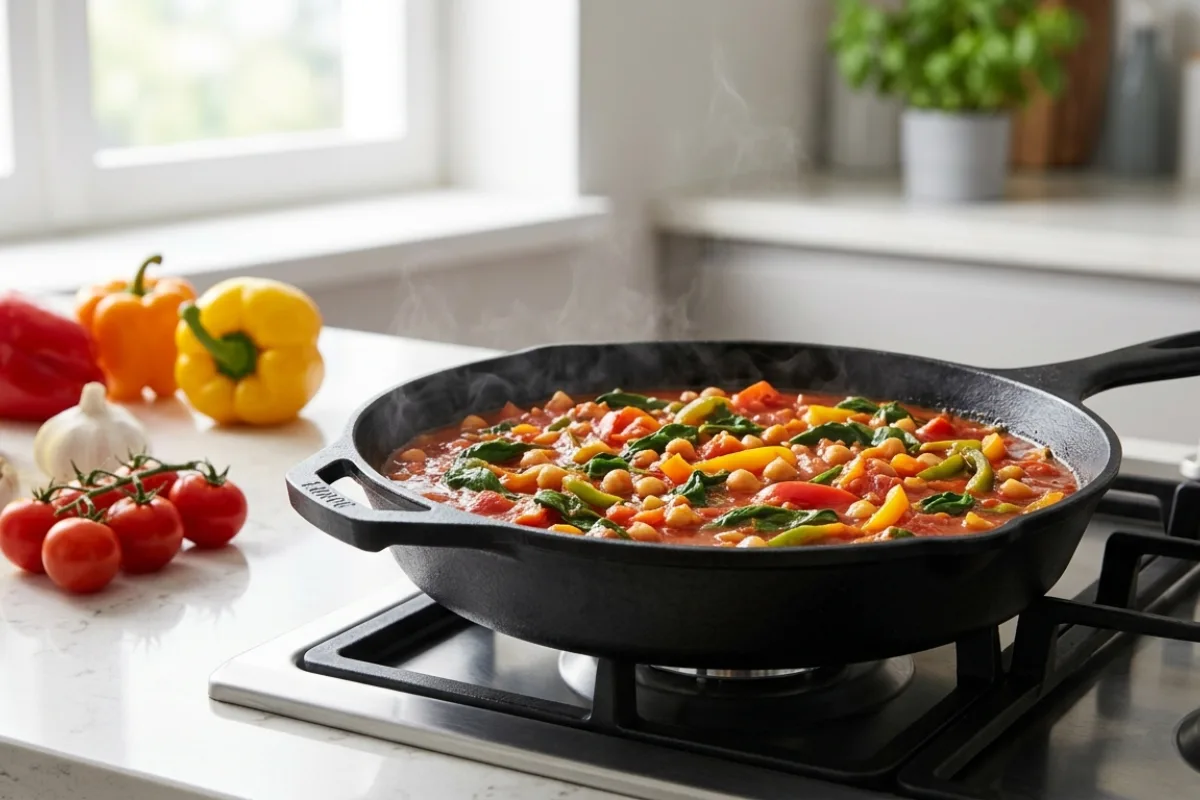
Modern kitchen remodeling often focuses heavily on smart appliances and minimalist aesthetics, yet the most profound upgrades happen inside the cabinets. Homeowners are increasingly reconsidering the tools they use for daily meal preparation, shifting their focus toward structural longevity, environmental sustainability, and holistic wellness.
While synthetic non-stick pans dominated the late twentieth century due to their convenience, contemporary wellness trends are steering culinary enthusiasts back to traditional, time-tested surfaces. Among these heritage choices, heavy metallurgy stands out not only for its exceptional durability but also for its measurable physiological advantages.
Natural Dietary Iron Fortification
Perhaps the most celebrated of the cast iron cookware health benefits is its unique ability to naturally fortify meals with dietary iron. Unlike inert materials such as glass or pure ceramic, an unenameled skillet interacts directly with the ingredients being prepared. When cooking highly acidic ingredients like tomato sauces, citrus reductions, or tamarind pastes, microscopic amounts of iron leach from the pan directly into the food.
For individuals managing iron deficiency or anemia, this passive supplementation serves as a remarkable nutritional advantage. The longer the simmering process and the higher the moisture content of the dish, the more dietary iron is transferred, seamlessly boosting the nutritional profile of a standard meal without requiring external supplements.
Research suggests this traditional method significantly increases the iron content of everyday recipes, particularly benefiting plant-based diets where traditional heme iron sources are completely absent.
Eliminating Synthetic Chemical Exposure
The resurgence of heritage skillets is also driven by growing consumer awareness regarding chemical exposure. Traditional non-stick coatings, primarily manufactured using synthetic polymers, present significant respiratory and physiological risks when subjected to high thermal stress. If a standard coated pan overheats, it can release toxic fumes and shed microplastics into the prepared meal.
By transitioning to traditional metallurgy, households eliminate these risks entirely. An appropriately seasoned pan develops a natural polymerised oil layer, functioning as one of the most reliable non-toxic cookware options available today. This organic patina provides excellent release properties for delicate proteins without relying on unstable chemical adhesives that degrade over time.
Superior Heat Retention and Food Safety
Beyond chemical composition, the physical mass of heavy-bottomed skillets contributes significantly to safer food preparation. Lightweight pans are notorious for developing localized hot spots, which frequently cause ingredients to scorch. Scorched or heavily charred organic matter can introduce harmful carcinogenic compounds into the diet.
Conversely, heavy metal alloys absorb and distribute thermal energy with remarkable uniformity. Once a thick skillet reaches the desired temperature, it maintains that thermal baseline effortlessly. This exceptional heat retention allows for consistent searing and thorough internal cooking, reducing the likelihood of undercooked proteins or inadvertently burnt aromatics.
Furthermore, this uniform distribution allows cooks to utilize lower stovetop settings, actively mitigating the risk of degrading cooking oils past their safe smoke points.
A Sustainable Approach to Wellness
Wellness in the modern kitchen extends beyond direct human physiology; it also encompasses environmental sustainability and mindful consumption. Synthetic skillets possess a strictly limited functional lifespan. The moment their surface sustains a scratch, they must be discarded to prevent chemical ingestion.
In stark contrast, heritage skillets are virtually indestructible. They can be indefinitely restored and re-seasoned, entirely eliminating the cycle of repetitive waste. When evaluating healthy cookware materials, the lifecycle of the product is a crucial metric. Investing in a surface that improves with continuous use aligns perfectly with sustainable living principles, ensuring a single purchase serves multiple generations flawlessly.
Curating a Wholesome Culinary Environment
Curating a wellness-focused kitchen requires looking past fleeting conveniences and prioritizing structural integrity. By embracing traditional metallurgy, culinary enthusiasts gain access to passive nutritional supplementation and robust thermal performance while eliminating exposure to synthetic toxins.
Integrating these heritage pieces into your daily routine is a fundamental step toward achieving a truly wholesome culinary environment. The transition requires minor adjustments in cleaning routines, but the physiological and environmental rewards far outweigh the minimal maintenance required to keep the skillets in pristine condition.